
Early Warning Signs of Fiber Link Failure: Why Rx Optical Power Drift Matters Most?
2026-03-20 23:03:29
The First Sign a Fiber Link Is Going Bad Isn’t What Most People Think
In real-world network environments, fiber links rarely fail without warning.
In a recent discussion with network engineers, one observation stood out — and it reflects what many operators quietly experience in production networks:
The first sign of a degrading fiber link is usually not temperature or laser failure.
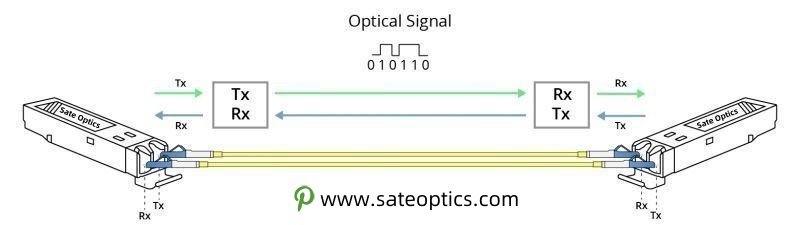
It is Rx (received) optical power slowly drifting down over time.
Not a sudden drop.
Not an alarm-triggering event.
Just a gradual decline — enough to start reducing the optical power margin.
Why Rx Optical Power Drops First
In many deployments, the optical transceiver itself is still functioning correctly.
What changes is the fiber path between devices.
Common real-world causes include:
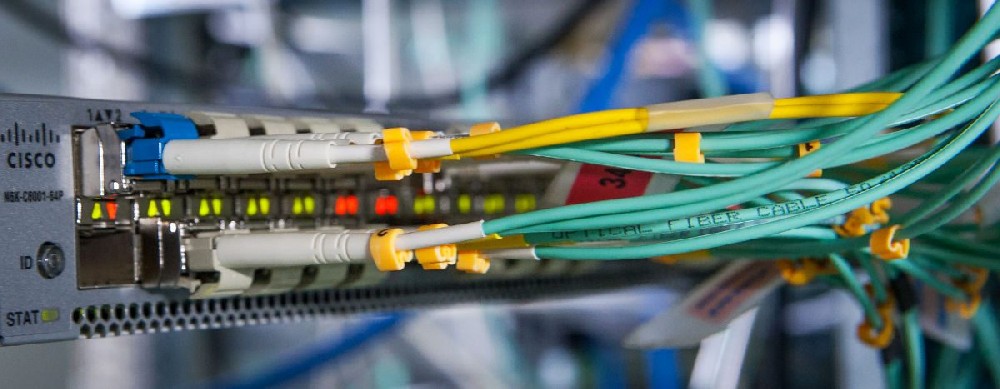
Connector contamination
Micro-bends in fiber cables
Vibration in racks, cabinets, or cable trays
Aging fiber splices
Marginal optical budget from the initial design
Each factor alone may seem insignificant.
But together, they gradually reduce the received optical power, weakening the link over time.
The Early Warning Most Networks Miss
At this stage, the link still appears operational:
The link remains up
No critical alarms are triggered
Traffic flows normally under light load
However, subtle warning signs begin to appear:
Occasional CRC errors
BIP errors
Instability during peak traffic
By the time these issues become consistent, the optical margin has already been degrading for some time.
Why Traditional Troubleshooting Often Misses the Root Cause
In many cases, troubleshooting starts with a common assumption:
“Is the optical module failing?”
But in reality, the optical module is often not the root cause.
It is simply reporting what is happening along the fiber link.
This means:
👉 The real issue is often in the physical layer (fiber path)
👉 Not the transceiver itself
This distinction is critical for accurate and efficient troubleshooting.
A More Effective Way to Monitor Fiber Links
Leading network teams are shifting from reactive troubleshooting to proactive monitoring.
Instead of focusing only on alarms, they monitor trends over time:
Rx optical power drift
Temperature patterns
Error counters correlated with traffic load
Because in most cases:
Network outages do not happen suddenly — they develop gradually and leave early signals.
How to Reduce Fiber Link Failures
To improve network stability and reduce unexpected outages, consider the following best practices:
1. Monitor Optical Power Trends
Track Rx power over time instead of relying only on threshold alarms.
Even small, consistent drops can indicate future risk.
2. Maintain Proper Fiber Hygiene
Clean connectors regularly
Inspect fiber end faces
Use professional cleaning tools
3. Design with Sufficient Optical Margin
Avoid designing links too close to their limit.
Allow margin for:
Environmental changes
Aging components
Real-world signal loss
4. Use Reliable and Compatible Optical Transceivers
Stable and well-tested optical modules help ensure accurate diagnostics and consistent performance.
At Sate Optics, we provide optical transceivers from 1G to 800G, designed for:
Data centers
Telecom networks
Cloud infrastructure
All modules are tested for compatibility with platforms from vendors such as Cisco Systems, Juniper Networks, Arista Networks, and Hewlett Packard Enterprise.
We also support:
Fast global delivery
Stable supply
Technical assistance for compatibility and deployment
When Should You Take Action?
If you observe any of the following, it may be time to investigate or replace components:
Continuous Rx power decline
Increasing error counters
Link instability under load
Optical parameters drifting beyond normal range
Early action can prevent:
Unexpected downtime
Emergency replacements
Network performance issues
FAQ: Fiber Link Degradation
What is the earliest sign of fiber link failure?
A gradual decrease in Rx optical power is often the earliest indicator of link degradation.
Does low Rx power always mean the transceiver is bad?
No. In many cases, the issue is caused by fiber-related factors such as contamination, bending, or connector loss.
How often should optical power be monitored?
For critical networks, continuous monitoring or periodic trend analysis is recommended.
Can better optical modules help reduce issues?
Yes. High-quality, fully tested optical transceivers provide more stable performance and more accurate diagnostics.
Final Insight
In real networks, fiber link failures rarely happen without warning.
The challenge is not the absence of signals —
but recognizing them early enough to act.
By monitoring Rx optical power trends and maintaining proper fiber infrastructure, network teams can significantly improve network reliability and uptime.
If you're experiencing unexplained Rx power drops or intermittent link issues, it may be time to evaluate both your fiber infrastructure and optical modules.
Feel free to contact Sate Optics for:
Compatibility checks
Optical module recommendations
Fast quotations for your current projects
Optical Transceivers
Fiber Optic Networking
Rx Optical Power
SFP Troubleshooting
Optical Link Degradation
Data Center Networking
Fiber Optic Maintenance
Compatible Optical Modules
Network Engineering
Optical Power Monitoring
Next:No More