
Choosing the right optical module, DAC vs AOC comparison, CWDM vs DWDM, fiber network upgrade.
2026-04-04 15:27:40
Choosing the Right Optics: A Buyer’s Guide for SFPs, DACs, AOCs, CWDM, and DWDM Solutions
When it comes to buying SFPs, DACs, AOCs, CWDM, or DWDM optics, most network issues aren’t caused by poor-quality equipment. Instead, they stem from choosing the wrong solution for the network's specific needs. In this guide, we’ll walk you through key considerations to make when purchasing optical solutions for your network infrastructure.
Whether you’re upgrading a data center, expanding your cloud infrastructure, or preparing for an AI-driven deployment, choosing the right optics can significantly reduce Total Cost of Ownership (TCO) and ensure long-term network reliability.
1. Start with Distance & Speed (Not Just the Product Name)
Before diving into product names or specs, ask yourself two critical questions:
How far is the link?
What speed do you need now—and in the next 1–3 years?
Why it matters:
This approach will immediately eliminate 50% of incorrect purchases and guide you towards solutions that best match your current and future requirements.
2. RJ45 vs Fiber – Quick Decision Rule
Choosing between RJ45 and fiber optics can be a decisive factor. Here’s a simple rule:
≤10G & Short Distance: Opt for RJ45 (copper-based).
Higher Speeds or Scalability Needed: Choose fiber-based solutions for better future-proofing.
Why it matters:
Fiber provides better performance at higher speeds and for longer distances, while RJ45 is cost-effective for short-range and lower-speed connections.
3. DAC or AOC? (This Choice Matters a Lot)
When selecting between DAC (Direct Attach Copper) and AOC (Active Optical Cable), consider the following:
Choose DAC if:
Distance is ≤7m
Cost & latency are top priorities
Used for switch-to-server or top-of-rack (ToR) connections
Choose AOC if:
Distance is >7m
You need lighter, thinner cabling
Cleaner airflow in racks is important
Why it matters:
DACs are cost-effective for short-range connections, while AOCs are ideal for longer distances and for environments where cable management and airflow are crucial.
4. Which Optical Module Fits Your Network?
Here’s a quick guide to choosing the right optical module for your network:
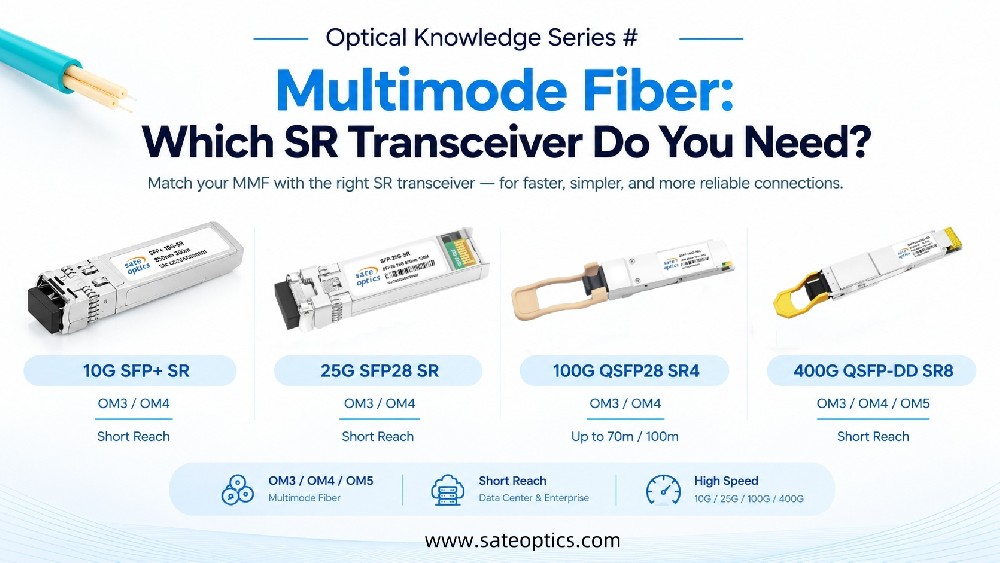
1G / 10G → SFP / SFP+
25G → SFP28 (standard for modern servers)
40G / 100G → QSFP+ / QSFP28
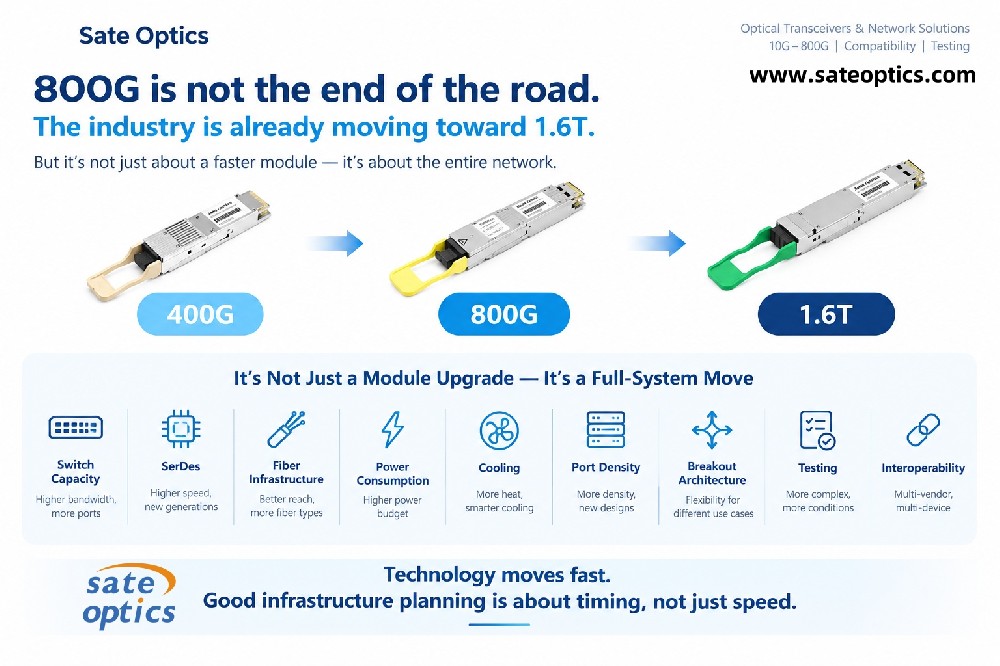
200G / 400G / 800G → QSFP56 / QSFP-DD / OSFP (used for AI clusters and hyperscale data centers)
Why it matters:
Choosing the correct module ensures you’re not overpaying for unnecessary speed or under-providing for the required capacity, which can impact both performance and scalability.
5. CWDM vs DWDM? Think Long-Term Cost
When choosing between CWDM (Coarse Wavelength Division Multiplexing) and DWDM (Dense Wavelength Division Multiplexing), think about your long-term fiber costs and capacity needs:
CWDM: Ideal for medium distance and limited fibers.
DWDM: Best for long distances and massive capacity, especially when you need to scale over time.
Why it matters:
While DWDM is more expensive upfront, it allows for greater scalability and fiber efficiency, saving you costs on fiber expansion in the future.
6. Match Technology to Use Case, Not Just Specs
Smart buyers don’t chase the highest specs; they match the technology to their specific use case. Whether you’re planning for a 1G network upgrade or a 400G hyperscale data center deployment, the right optics can lower your TCO, reduce failures, and improve scalability in the long run.
What’s Your Current Challenge?
Is it distance, speed, or budget? Let’s talk and find the best solution for your network’s unique needs.
FAQ - Frequently Asked Questions
1. What’s the difference between DAC and AOC?
DAC (Direct Attach Copper) is a cost-effective solution for short-range connections (≤7m), ideal for low-latency environments.
AOC (Active Optical Cable) is better for longer distances (>7m) and provides better cable management, with a focus on airflow in data center environments.
2. How do I choose the right optical module for my network?
The correct optical module depends on your network’s speed and distance requirements. For example:
SFP+ for 10G speeds
QSFP28 for 100G speeds
Ensure you choose modules that align with your current and future network capacity needs.
3. When should I choose CWDM over DWDM?
CWDM is ideal for medium-distance links and when you have limited fiber availability.
DWDM is suitable for long-distance links requiring high capacity and scalability.
4. What’s the best option for future-proofing my network?
For long-term scalability, fiber-based solutions (e.g., DWDM for high-capacity needs) offer a better return on investment than copper-based solutions. Make sure your network is ready for growth by choosing scalable solutions.
Conclusion:
Buying the right optical solutions—whether it's SFPs, DACs, AOCs, CWDM, or DWDM—is about aligning technology with your specific use case. By focusing on factors like distance, speed, and scalability, you can make smarter purchasing decisions that reduce your TCO and future-proof your network infrastructure.
If you're planning an upgrade or a new deployment, the right optics can save you from costly mistakes and unnecessary downtime.
Need Assistance with Your Network?
If you’re unsure about which solution is right for your network, we’re here to help. Our team can provide expert guidance, recommend the best solutions for your needs, and offer customized quotes.
Request a Quote: sales@sateoptics.com
Contact Our Team: info@sateoptics.com
#SFP #DAC #AOC #CWDM #DWDM #OpticalTransceiver #DataCenter #ISP #NetworkUpgrade #CloudInfrastructure #AIDataCenter
Previous:🚀 SFP 10G SR vs LR vs ER vs ZR: Which One is Right for Your Network? 🌐
Next:10GBase-T Troubleshooting: Why 10G RJ45 SFP+ Links Become Unstable