
🔍 Choosing the Right Optical Transceivers for High-Performance Networking
2025-10-22 18:49:13
🔍 Choosing the Right Optical Transceivers for High-Performance Networking
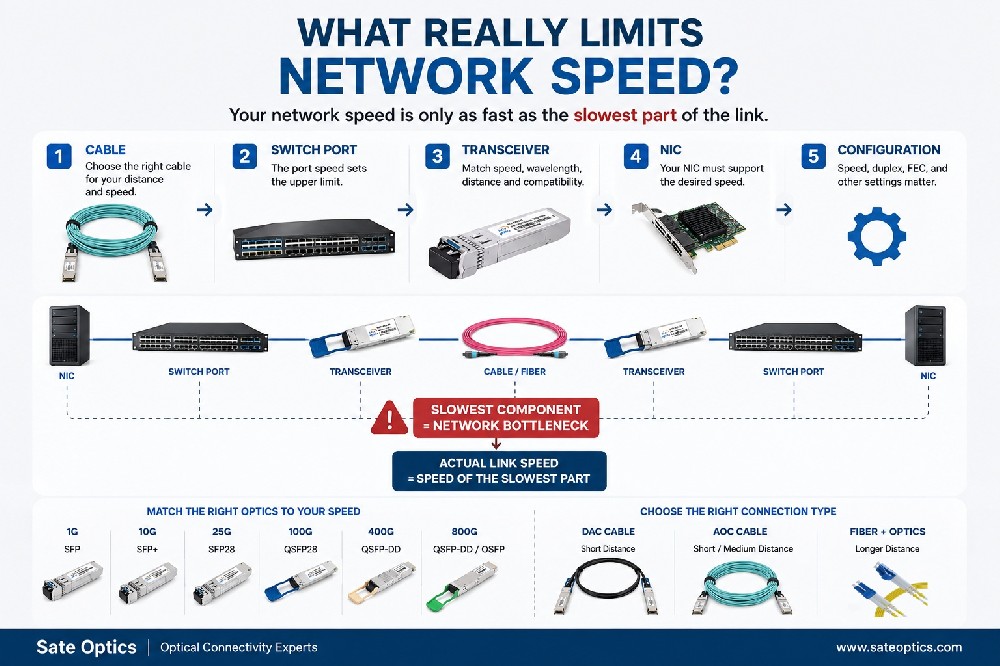
In the fast-paced world of data centers and cloud computing, the right optical transceiver can make all the difference — between smooth, high-speed connectivity and costly network bottlenecks.
So how do you choose the right one? 👇
✅ 1. Know your speed requirements
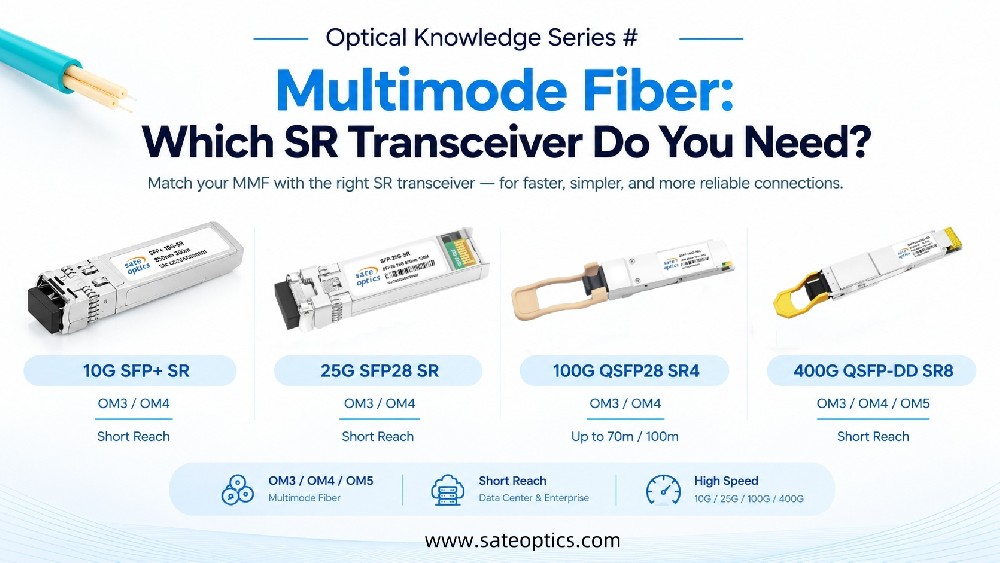
10G, 25G, 100G, or 400G? Always match the transceiver’s data rate to your switch or router ports — and plan for future upgrades.
✅ 2. Check transmission distance
Short-range (SR) modules for within racks.
Long-range (LR/ER/ZR) for inter-building or campus connections.
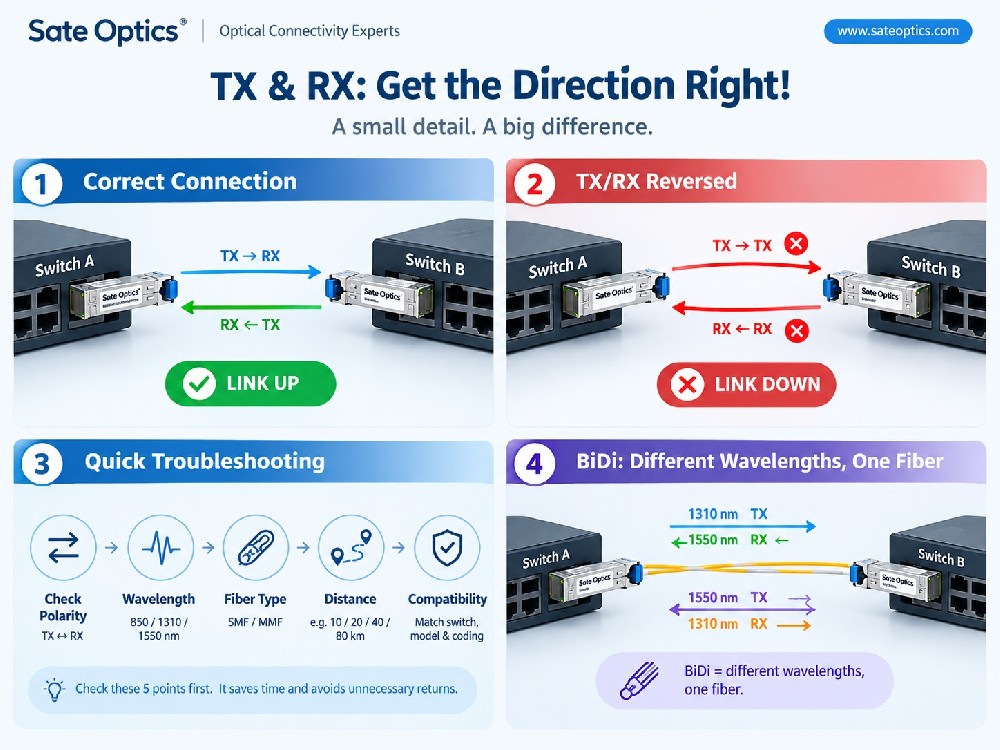
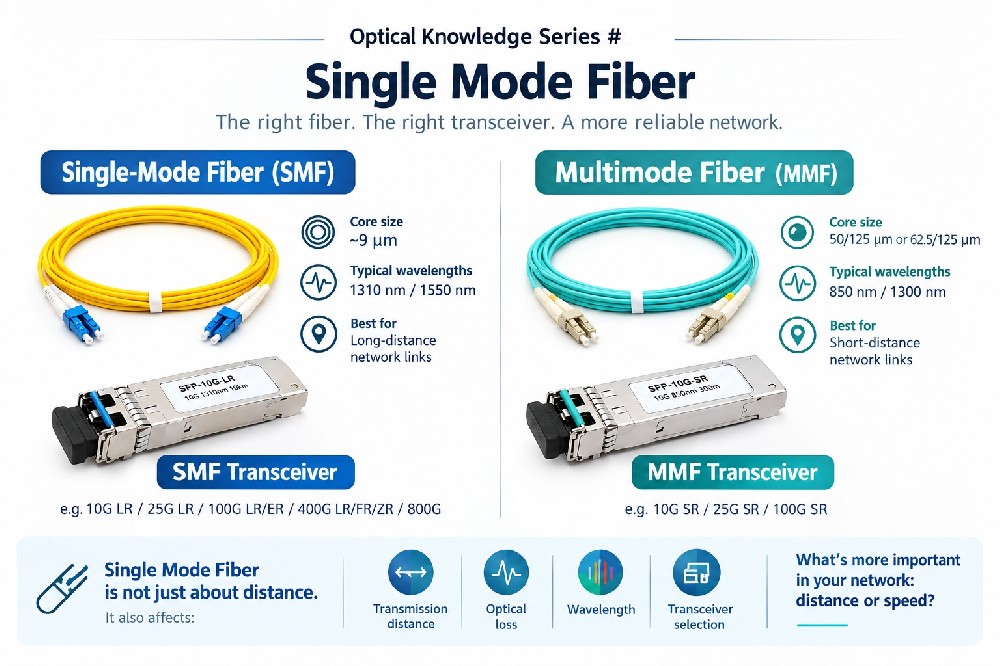
✅ 3. Understand fiber type
Multimode (MMF): economical, shorter distances.
Singlemode (SMF): long-distance, higher precision.
✅ 4. Compatibility matters
Choose OEM-compatible modules that work perfectly with brands like Cisco, Juniper, Arista, Huawei, etc. They deliver the same performance at a fraction of the cost.
✅ 5. Reliability = stability
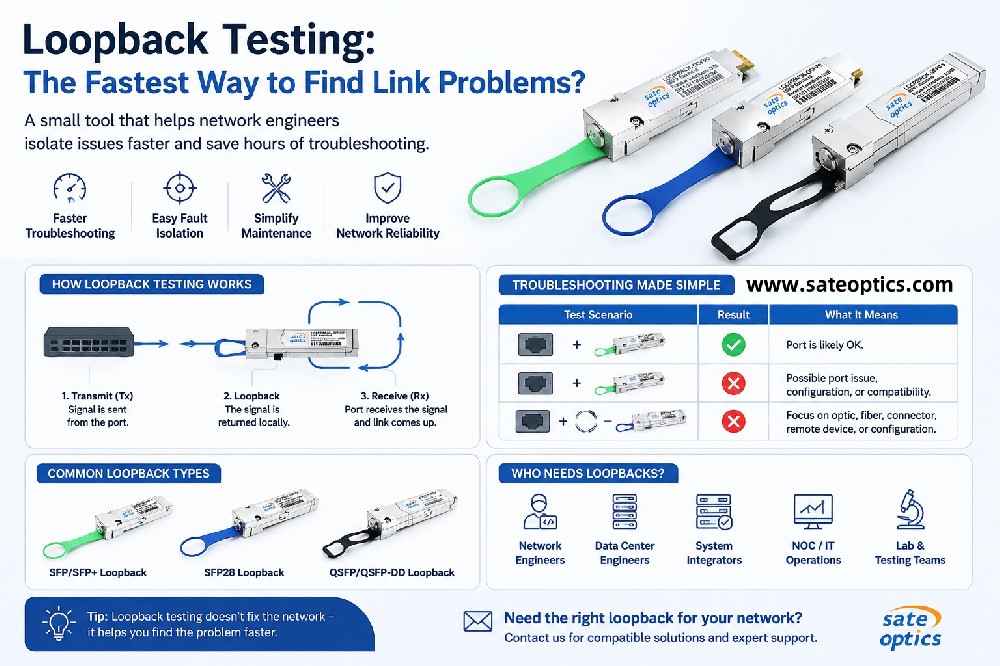
Go for vendors who provide testing, warranty, and fast delivery, especially when your network uptime is critical.
In today’s data-driven world, every millisecond counts. The right optical module is not just a component — it’s the backbone of your network performance. ⚡
👉 What’s your go-to choice for high-speed connections — SFP+, QSFP28, or OSFP? Let’s discuss below!
#OpticalTransceiver #DataCenter #Networking #Telecom #HighSpeedConnectivity #SFP #QSFP #400G #FiberOptic #NetworkPerformance #SateOptics
Previous:🌐 CWDM & DWDM MUX/DEMUX in FTTH Networks – Explained Simply 👏